 Enciclopedia Ilustrada de Salud
Alzheimer
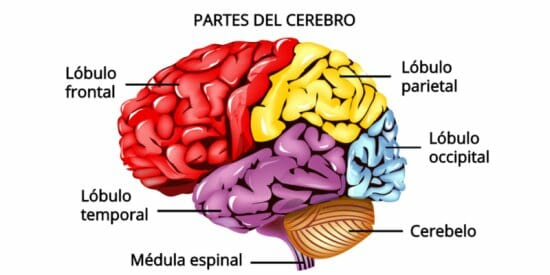
El Alzheimer es una enfermedad progresiva del cerebro que afecta principalmente la memoria, el pensamiento y la conducta. Con el tiempo, las células cerebrales mueren, lo que reduce el tamaño del cerebro y empeora las funciones cognitivas y físicas.
Causas
- Acumulación de proteínas anómalas en el cerebro, como placas de beta-amiloide y ovillos de tau.
- Factores genéticos que pueden aumentar el riesgo.
- Pérdida de conexiones neuronales y daño progresivo de las células cerebrales.
- Influencia de estilo de vida y factores ambientales con el paso del tiempo.
Síntomas
- Pérdida de memoria reciente (olvidar conversaciones, eventos recientes).
- Dificultad para realizar tareas cotidianas (ej. organizar, planificar).
- Problemas con el lenguaje: no encontrar palabras apropiadas.
- Desorientación en lugares conocidos o en el tiempo.
- Cambios en el estado de ánimo o comportamiento (ansiedad, depresión, irritabilidad).
Pruebas y exámenes
- Pruebas neuropsicológicas
- Análisis de laboratorio
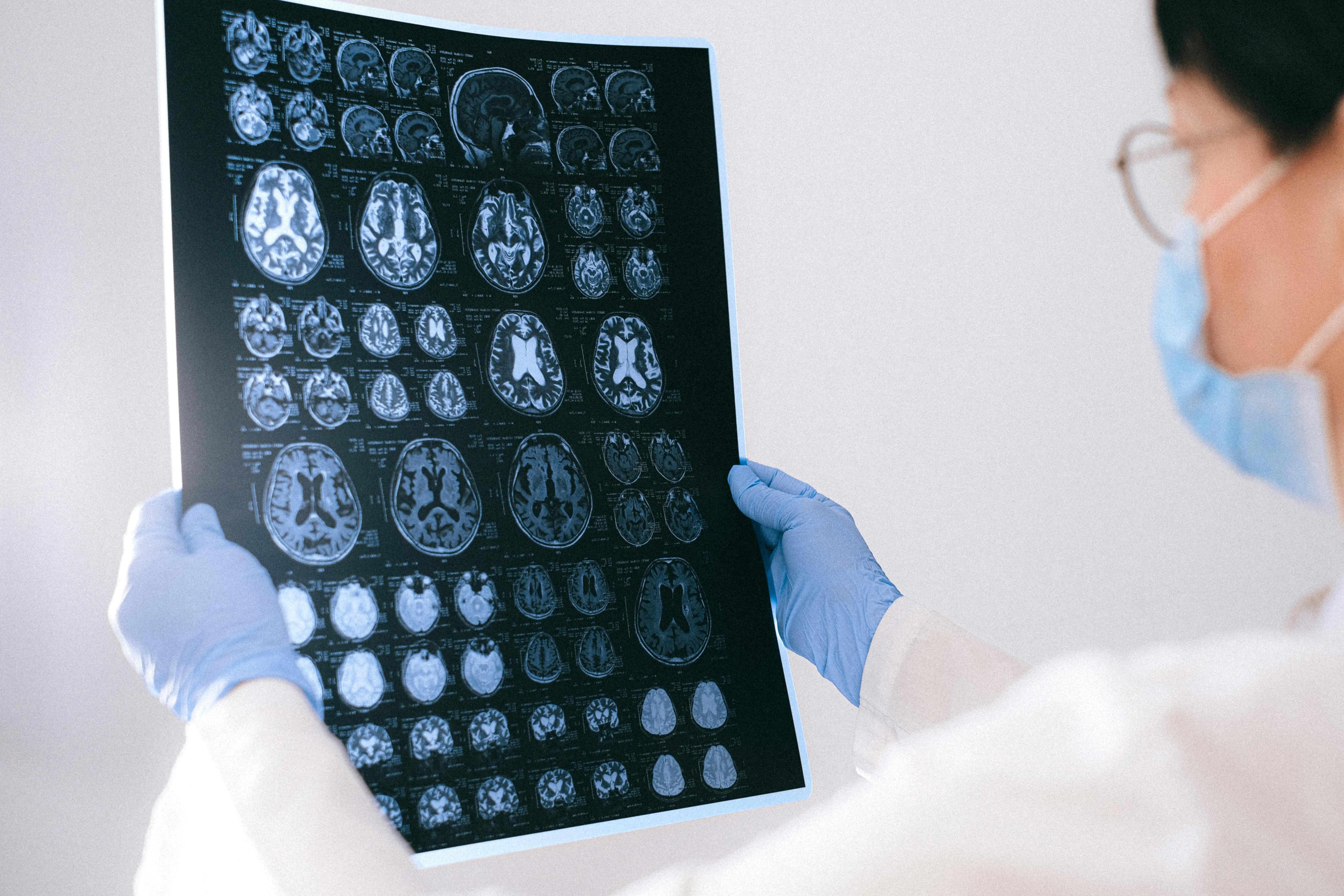
- Estudios neuroimagen
- Evaluación médica general
- Pruebas de biomarcadores
Tratamiento
No existe una cura definitiva para el Alzheimer, pero hay tratamientos que ayudan a retrasar los síntomas y mejorar la calidad de vida. Por ejemplo, algunos medicamentos que aumentan los mensajeros químicos del cerebro, terapias de apoyo, y cambios en el entorno para facilitar las actividades diarias.
Pronóstico
Implica un deterioro gradual de la memoria, el pensamiento y la capacidad para realizar actividades diarias. Los tratamientos disponibles pueden ayudar a retrasar la progresión de los síntomas y mejorar la calidad de vida, pero la patología continúa avanzando con el tiempo.
Transcripción:
"What is Alzheimer's disease?
Alzheimer's is a slow, fatal disease of the brain affecting 1 in 10 people over the age of 65. No one is
immune. The disease comes on gradually, as two abnormal protein fragments called "plaques" and "tangles" accumulate in the brain and kill
brain cells. They start here, in the hippocampus, the part of the brain where memories are first formed. Over many years time, the plaques
and tangles slowly destroy the hippocampus, and it becomes harder and harder to form new memories. Simple recollections from a few hours
or days ago that the rest of us might take for granted are just not there. After that, more plaques and tangles spread into different
regions of the brain, killing cells and compromising function wherever they go. This spreading around is what causes the different stages
of Alzheimer's.
From the hippocampus, the disease spreads here to the region of the brain where language is processed. When that happens,
it gets tougher and tougher to find the right word. Next, the disease creeps toward the front of the brain, where logical thought takes place.
Very gradually a person begins to lose the ability to solve problems, grasp concepts and make plans.
Next, the plaques and tangles
invade the part of the brain where emotions are regulated. When this happens, the patient gradually loses control over moods and feelings.
After that, the disease moves where the brain makes sense of things it sees, hears and smells. In this stage, Alzheimer's reeks havoc on
a person's senses, and can spark hallucinations. Eventually, the plaques and tangles erase a person's oldest and most precious memories,
which are stored here in the back of the brain.
Near the end, the disease compromises a person's balance and coordination, and in the
very last stage, it destroys the part of the brain that regulates breathing and the heart. The progression from mild forgetting to death
is slow and steady, and takes place over an average of 8 to 10 years. It is relentless, and for now, incurable. Helping your family, friends
and neighbors to better understand Alzheimer's will reduce stigma, improve care and even help the fight for a cure.
Thanks for helping
to do your part. Learn more at www.AboutAlz.org."
Traducción:
"¿Qué es el Alzheimer?
El Alzheimer es una enfermedad del cerebro lenta y letal que afecta a una de cada 10 personas mayores de 65 años.
Nadie es inmune. La enfermedad aparece gradualmente, cuando dos fragmentos protéicos llamados "placas amiloides" y "ovillos neurofibrilares"
se acumulan en el cerebro y matan neuronas. Empiezan aquí, en el hipocampo, la parte del cerebro donde se forman los recuerdos. En cuestión
de años, las placass y ovillos destruyen lentamente el hipocampo, y se vuelve más y más difícil crear nuevos recuerdos. Los recuerdos sencillos
de hace unas pocas horas o días que los demás damos por hecho, ya no están. Después de eso, más placas y ovillos se extienden a diferentes áreas
del cerebro, matando células y comprometiendo la funcionalidad a su paso. Está distribución es la que causa las diferentes etapas del Alzheimer.
Desde el hipocampo, la enfermedad se extiende hasta aquí [Área de Wernicke], el área del cerebro donde se procesa el lenguaje. Cuando eso
ocurre, se vuelve más y más difícil encontrar la palabra correcta. Después, la enfermedad se aproxima a la parte frontal del cerebro, donde
ocurre el pensamiento lógico. Muy gradualmente, uno pierde la capacidad de resolver problemas, entender conceptos y hacer planes.
Después,
las placas y ovillos invaden la zona del cerebro donde se regulan las emociones. Cuando esto ocurre, el paciente pierde gradualmente el control
sobre su estado de humor y sentimientos.
Después de eso, la enfermedad se mueve al lugar donde el cerebro procesa las cosas que ve, escucha
y huele. En esta etapa, el Alzheimer causa estragos en los sentidos, y puede provocar alucionaciones. Eventualmente, las placas y ovillos borran
los recuerdos más antiguos y preciados de la persona, que se almacenan en la parte posterior del cerebro.
Cerca del final, la enfermedad
compromete el equilibrio y la coodinación, y en la etapa final, destruye la parte del cerebro que regula la respiración y el corazón. El paso
de pérdida de memoria leve a la muerte es lento y firme, y dura de 8 a 10 años de media. Es implacable, y por ahora, incurable. Ayudar a tu
familia, amigos y vecinos a entender mejor el Alzheimer reducirá el estigma, mejorará el cuidado e incluso ayudará en la lucha por una cura.
Gracias por ayudar a hacer tu parte. Aprende más en www.AboutAlz.org."